
B2B Manufacturing Product Launch Plan: From Market Readiness to Pipeline
Confirm market readiness before producing launch assets
Clarify the target applications, ideal accounts, buying triggers, competitive alternatives, positioning, pricing logic, proof, channel strategy, and sales capacity. If those decisions are still moving, producing a launch video or campaign only makes the uncertainty more expensive.
Use customer and market research where possible to test the problem and message before scaling the launch.
Build the technical story
Complex products need more than a headline. Buyers may need specifications, application context, integration guidance, comparison information, validation, case evidence, diagrams, technical video, and implementation expectations. RHBlake’s research on technical specificity shows why launch content has to do real evaluation work.
Prepare sales and channel partners
Sales should know the target account, trigger, positioning, proof, objections, competitive alternatives, and next evaluation step. Distributors and partners need a version of the same story that fits their role. If internal teams interpret the launch differently, the market will too.
Free Download: 5 Key Steps to Developing a Digital Marketing Roadmap
A Must Have Digital Marketing Guide for Manufacturers
Create demand before and after launch day
Pre-launch education can establish the problem and build an audience before the product is public. Launch activity can combine owned content, search, paid media, PR, events, email, video, and direct account outreach. Post-launch work should respond to the questions the market actually asks.
The first 90 days are a learning period. Search queries, sales calls, technical questions, evaluation behavior, and account engagement should shape the next content wave.
Measure movement toward pipeline
Track awareness and engagement, but also technical asset usage, target-account visits, qualified inquiries, sample/evaluation requests where relevant, sales acceptance, and opportunity creation. The right metrics depend on the product’s buying journey.
A launch should leave the company with a stronger market position and a clearer understanding of which messages, applications, and accounts deserve the next investment.
The specifics differ, but the launch discipline is consistent: establish the market problem, make the application and differentiation clear, prepare the proof, align sales and channel teams, and keep supporting the buyer after launch day.
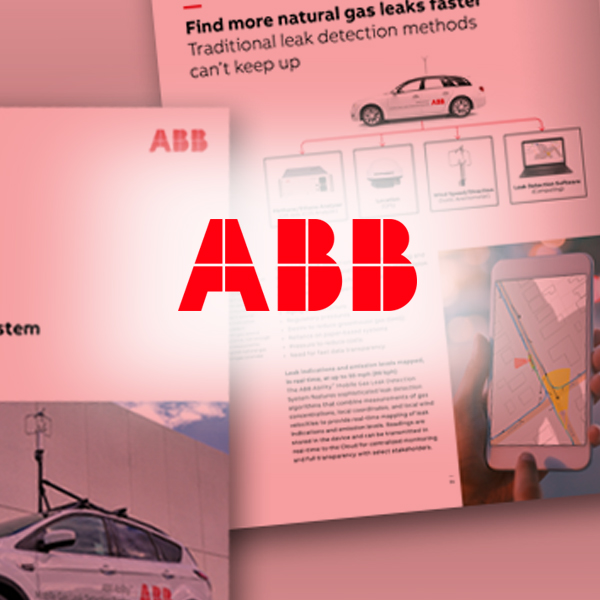
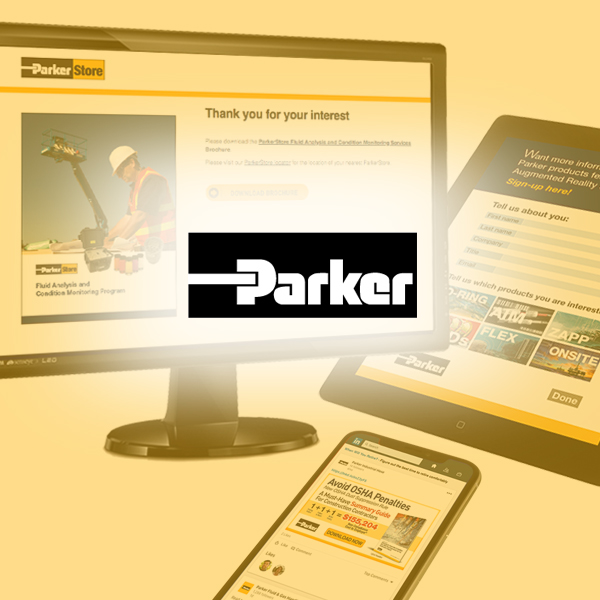
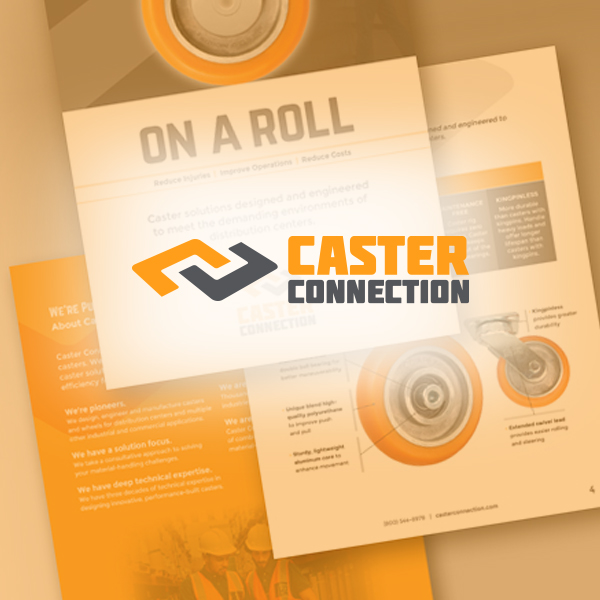
RHBlake’s work with Parker, Caster Connection, ABB, and onsemi shows why a manufacturing launch cannot be reduced to a campaign calendar. Parker’s TWINHAMMER launch connected a new OSHA requirement with buyer education and product positioning. Caster Connection used customer insight and application-specific positioning to support new-market and product initiatives. ABB launches involve complex industrial offerings and long buying cycles. onsemi programs require technical positioning that can stand up to engineering evaluation.
RHBlake launch work spans several kinds of manufacturing decisions
What this looks like in practice
The first few weeks after launch are part of the research process. Search terms reveal what the market is confused about. Sales calls expose objections the launch team underestimated. Distributor questions show where positioning is too vague. A disciplined launch team captures that evidence and updates the content while interest is still forming.
A manufacturing launch has done its job when the market can understand the product, evaluate it, and explain internally why it deserves consideration. Positioning, technical evidence, demand creation, sales enablement, and early market feedback all have to support that progression.

"You guys met our expectations in every way. It [RH Blake Market Research] was the information we were looking for. Congratulations and Thank You!"
 Scott Griggs
Director of Services for Food Manufacturing and Food Service
ALS Global

"“I’ve gotten all that I’d hoped for from the RH Blake Growth Roadmap™ and more. Based on the research and insights, we adjusted our offering scope and sales approach. And this adjustment has been effective at generating new opportunities."
 Diane Reko
President
REKO International

"RH Blake has been an outstanding partner. They deliver creativity, on time, and always so professional. We love working with them because of their perspective, support, and their efficiency in turning projects around quickly."
 Samantha Spano
Digital Product Marketing & Communications Manager
Industrial Automation Energy Industries
ABB
"You guys met our expectations in every way. It [RH Blake Market Research] was the information we were looking for. Congratulations and Thank You!"
Scott Griggs
Director of Services for Food Manufacturing and Food Service
ALS Global
"“I’ve gotten all that I’d hoped for from the RH Blake Growth Roadmap™ and more. Based on the research and insights, we adjusted our offering scope and sales approach. And this adjustment has been effective at generating new opportunities."
Diane Reko
President
REKO International
"RH Blake has been an outstanding partner. They deliver creativity, on time, and always so professional. We love working with them because of their perspective, support, and their efficiency in turning projects around quickly."
Samantha Spano
Digital Product Marketing & Communications Manager
Industrial Automation Energy Industries
ABB
"You guys met our expectations in every way. It [RH Blake Market Research] was the information we were looking for. Congratulations and Thank You!"
Scott Griggs
Director of Services for Food Manufacturing and Food Service
ALS Global
"“I’ve gotten all that I’d hoped for from the RH Blake Growth Roadmap™ and more. Based on the research and insights, we adjusted our offering scope and sales approach. And this adjustment has been effective at generating new opportunities."
Diane Reko
President
REKO International
"RH Blake has been an outstanding partner. They deliver creativity, on time, and always so professional. We love working with them because of their perspective, support, and their efficiency in turning projects around quickly."
Samantha Spano
Digital Product Marketing & Communications Manager
Industrial Automation Energy Industries
ABB
Industrial Marketer’s Guide to Creating an Effective Marketing Program
147 pages of actionable ideas to help you create a winning marketing strategy and program
Industrial Marketer’s Guide to Creating an Effective Marketing Program
147 pages of actionable ideas to help you create a winning marketing strategy and program
Related Clients